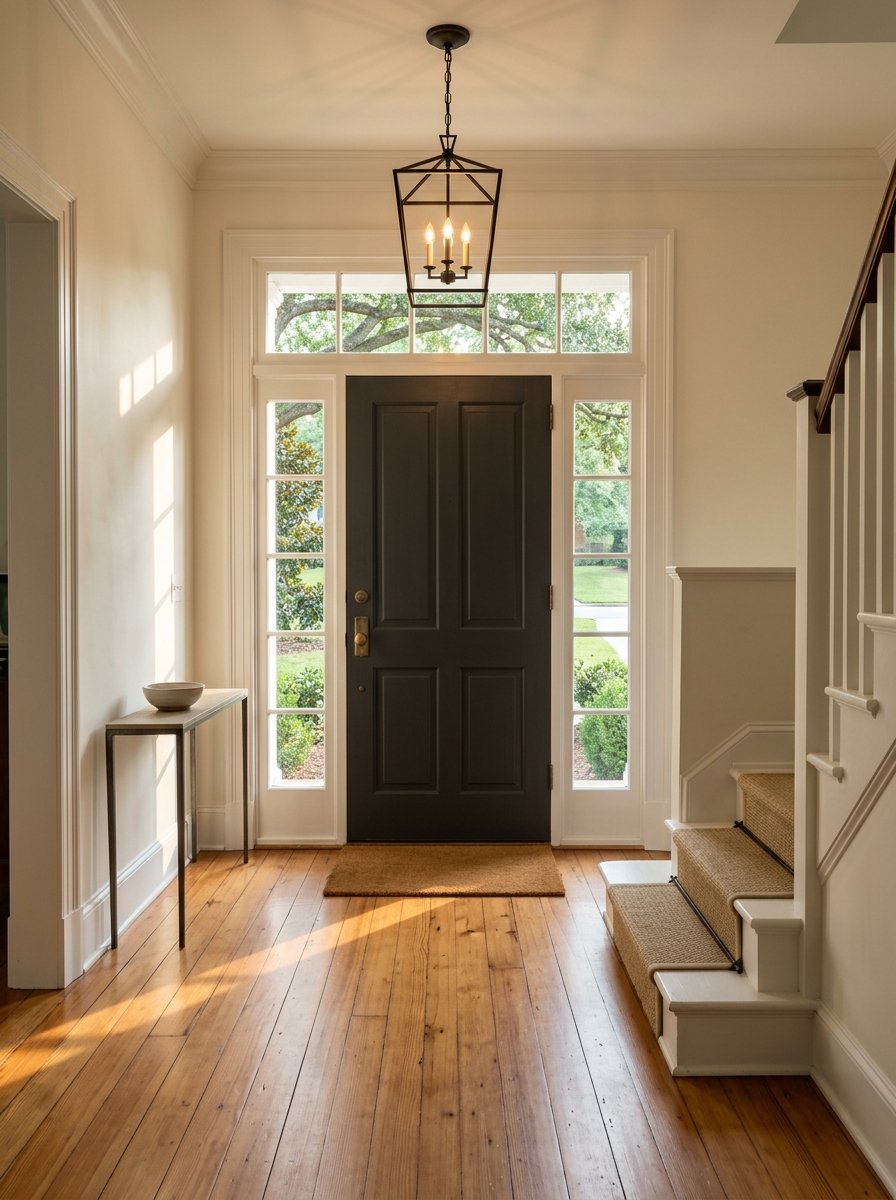
Trying to choose between a historic home and a newer one in Florence? That decision can feel exciting and a little overwhelming at the same time. You may love the charm of an older house or the easier upkeep of a newer build, and both can be strong options depending on what matters most to you. This guide will help you compare the tradeoffs, ask better questions, and make a more confident move in Florence. Let’s dive in.
Florence Gives You Both Options
Florence offers a mix of older established areas and newer residential opportunities, which is part of what makes the local market so appealing. The city has about 40,184 residents, 20,139 housing units, a median household income of $52,174, and a median owner-occupied home value of $196,300.
The city’s planning outlook supports both preservation and new development. Florence’s comprehensive plan points future growth toward vacant property, infill, and redevelopment, especially on the West Side and in East Florence, while also supporting open space and preservation. That means you may find newer homes in established parts of town, not just on the edge of the city.
What Counts as a Historic Home
In Florence, a home is not automatically considered historic just because it is old. The key difference is whether the property is located in one of the city’s designated historic districts.
Florence has several designated historic districts, including Cherry Street, College Place, Downtown, East Florence, Locust Street, McFarland Heights, Sannoner, Seminary-O'Neal, Walnut Street, Wilson Park Houses, and Wood Avenue. If a home is in one of these districts, exterior changes may be subject to local preservation review.
Historic Styles Vary in Florence
Historic homes in Florence do not all look the same. The city’s historic housing stock includes American Small House, Bungalow, Colonial Revival, Prairie or American Foursquare, Queen Anne, Ranch, and Tudor Revival styles.
That variety matters when you are shopping. One historic home may offer ornate late-19th-century details, while another may be a simpler bungalow or a mid-century ranch with older construction features. In other words, “historic” in Florence can describe a wide range of homes, not one single style.
Historic District Rules Matter
If you buy in a designated historic district, you should expect a different review process than you would with many newer homes. Florence’s Historic Preservation Commission and Design Review Committee are involved in alterations submitted through the Building Department.
Local zoning standards say owners should preserve compatibility, avoid destroying original qualities when possible, repair rather than replace historic materials when feasible, and make additions that fit the size, scale, color, material, and character of the property and surrounding area. For you, that can mean more guidance and more limits when planning exterior updates.
What Newer Homes Tend to Offer
Newer homes in Florence often appeal to buyers who want more predictable maintenance and more current construction features. Because the city guides residential growth through local planning and review, newer development is shaped by zoning, subdivision regulations, and infrastructure planning.
The Planning Commission reviews items tied to new residential development, including zoning, land use, subdivisions, sidewalks, roads, utilities, and stormwater discharge. That local review process helps shape where and how newer homes are built.
Newer Homes Can Still Be In Established Areas
A newer home in Florence does not always mean a brand-new subdivision in a far-out location. The city’s comprehensive plan specifically encourages infill and redevelopment, especially in West Side and East Florence.
That can create an interesting middle ground for buyers. You may be able to find a newer home with more modern systems while still living in a part of Florence with established streets, existing infrastructure, and a more settled neighborhood feel.
Efficiency May Be A Bigger Advantage
For many buyers, one of the biggest benefits of newer construction is efficiency. ENERGY STAR notes that qualifying new homes are built to strict efficiency requirements intended to improve comfort and performance over time.
Windows are one example of why this matters. The Department of Energy notes that about 30% of a home’s heating energy can be lost through windows, so window performance can have a real effect on comfort and utility costs. That does not mean an older home cannot be improved, but it does mean you should compare current performance, not just appearance.
Character Vs Predictability
For most Florence buyers, the biggest decision comes down to character versus predictability. Historic homes often offer more architectural detail, a distinct setting, and a sense of individuality that is hard to copy.
Newer homes usually offer more current materials, efficiency features, and fewer immediate repair surprises. If you want a home that feels unique and you are comfortable managing older-home upkeep, a historic property may fit you well. If you want simpler maintenance and more modern performance, a newer home may feel like the better match.
Key Questions To Ask Before You Decide
Before you compare price alone, step back and look at the full ownership picture. Even modest repairs or upgrades can meaningfully affect your total cost in a market where the median owner-occupied home value is about $196,300.
Use these questions to guide your search:
- What is the home’s year built?
- Is the property in one of Florence’s designated historic districts?
- Will exterior changes require preservation review?
- What is the condition of the roof, windows, HVAC, plumbing, and electrical systems?
- If the home was built before 1978, has lead disclosure been provided?
- Is the property in a flood-hazard area?
- Is there permit history for additions, renovations, or major repairs?
Due Diligence For Older Florence Homes
If you are leaning toward a historic or older home, make inspections and disclosures a routine part of your decision. Homes built before 1978 are more likely to have lead-based paint, and the EPA requires lead disclosure before the sale or lease of most housing built before 1978.
The EPA also notes that homes built before 1986 are more likely to have lead pipes, fixtures, and solder, and that renovation work in pre-1978 homes can create lead dust. That does not mean you should avoid older homes. It means you should treat lead safety and system condition as standard due diligence.
Older Systems Need Close Review
An older home may have a newer kitchen and still need attention in less visible areas. Roof age, plumbing materials, electrical updates, HVAC condition, and window performance can all shape your ownership costs after closing.
When you compare homes, try to look past surface finishes. A lower purchase price may not stay lower if you need several repairs or efficiency upgrades soon after move-in.
Due Diligence For Newer Florence Homes
Newer homes still need careful review. Within Florence city limits and the city’s 3-mile planning jurisdiction, new homes require permits, and construction in flood-hazard areas requires a special flood-hazard development application and permit.
That is why permit history and site-specific review matter even with recent construction. A newer home may offer peace of mind, but you still want to understand what was built, what was approved, and whether any location-specific issues could affect your future plans.
Check The Site, Not Just The House
When buyers think about newer homes, they often focus on finishes, layout, and appliance packages. Those details matter, but the site matters too.
Ask whether the property is in a flood-hazard area and whether any special permits applied to the build. A beautiful newer home can still come with site conditions you need to understand before you move forward.
Which Type Of Home Fits You Best?
If you love original details, established character, and the idea of owning a home with a distinct architectural identity, a historic Florence home may be a great fit. You just need to be comfortable with the possibility of preservation review and the realities of older materials and systems.
If you prefer lower-maintenance living, more current efficiency features, and a more predictable repair outlook, a newer home may serve you better. The right choice is less about which option is “better” and more about which option fits your budget, comfort level, and long-term plans.
A thoughtful home search in Florence should compare purchase price, expected upkeep, possible upgrades, and the rules that may apply to the property. When you look at the full picture, the right decision usually becomes much clearer.
If you want help weighing older homes against newer options in Florence, Pamela Holt Butler can help you compare neighborhoods, property types, and true ownership costs so you can move forward with confidence.
FAQs
Are all older homes in Florence considered historic?
- No. A home can be older without being in one of Florence’s designated historic districts.
Can you find newer homes in older parts of Florence?
- Yes. Florence’s comprehensive plan encourages infill and redevelopment, especially in West Side and East Florence.
What should you check before buying a historic home in Florence?
- Check the year built, whether the property is in a historic district, whether exterior changes need review, and the condition of major systems such as roof, HVAC, plumbing, windows, and electrical.
Why do pre-1978 homes in Florence need extra attention?
- Homes built before 1978 are more likely to have lead-based paint, and lead disclosure is generally required before sale or lease of most pre-1978 housing.
What should you review before buying a newer home in Florence?
- Review permit history, flood-hazard status, and any major construction or site-related approvals tied to the property.
Is a historic or newer Florence home better for resale?
- The better fit depends on buyer priorities, because some buyers value architectural character while others prioritize efficiency features and more predictable maintenance.
