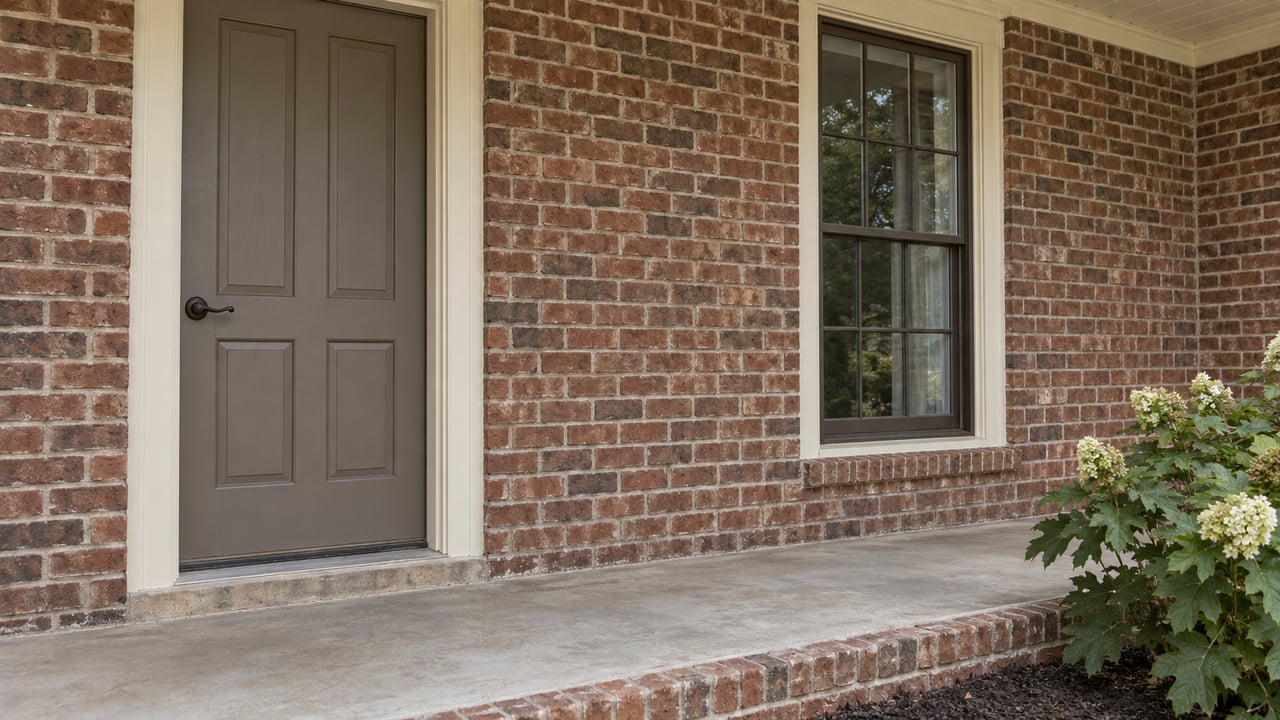
At closing on a new-construction home in Muscle Shoals, buyers usually get handed one page along with the stack of loan documents. It lists a year for workmanship, maybe two years for mechanical systems, sometimes ten for the structure itself. Most people fold it into the closing binder and forget about it until something goes wrong, and when something does go wrong after that first year, the paperwork looks like the end of the conversation.
It isn't. Alabama law runs its own clock on new-home defects, separate from whatever the builder's letter says, and that clock is usually longer than the one printed on the page. For a buyer walking into Muscle Shoals' current wave of new construction, the gap between what the warranty document says and what the law actually provides is the detail that matters most, and it's the one almost nobody explains before the ink dries.
The Page You Get Isn't Required to Exist
Alabama's Home Builders Licensure Board is direct about this: builders are not legally required to give a homeowner any written warranty at all. Many do, because it signals confidence in the work, but the law doesn't force the issue.
That means the one-page letter varies by builder and by subdivision. Some follow the industry-standard 1-2-10 structure, one year of workmanship coverage, two years on mechanical systems, ten years on the structural elements, a framework a 2026 warranty guide written for the Tennessee and North Alabama market (a firm that names Florence, Muscle Shoals and Tuscumbia among the areas it serves) describes as the common baseline. Other builders write something thinner. A few hand over nothing in writing at all.
The takeaway for anyone buying new in Muscle Shoals right now: read the actual document, not the reputation of the subdivision. Two homes built a street apart can carry two different warranty terms, and the only way to know what you're actually covered for is to ask for the page and read it before you sign, not after you move in.
The Law Underneath the Paperwork
Even where a builder's written warranty is thin or silent, Alabama case law fills in a separate layer of protection. The Alabama Supreme Court recognized what's called an implied warranty of habitability for buyers of new homes, running back to a 1979 case, Sims v. Lewis. The protection applies when a home was newly built for sale, hadn't been lived in by anyone else first, was sold in a condition that impaired its use as a home, and the buyer had no way to have discovered the problem before closing.
That warranty exists whether or not the builder's letter mentions it. It's a legal backstop built into the sale of a new home in Alabama, and it runs independent of the one-year workmanship clause sitting in the closing folder.
Two Different Clocks
This is where the real gap opens up. The written warranty might say one year. Alabama's actual statute of limitations for construction-defect claims gives a buyer four years from the date a defect is discovered, with an outer boundary of seven years from completion, known as the statute of repose. A problem that shows up in year three, well after a one-year written warranty has technically expired, can still be well within the legal window to act on.
There's a procedural step in between, too. Before a homeowner can sue over a construction defect, Alabama's Right to Cure law requires written notice to the builder and a 45-day period for the builder to inspect and respond. It's not a loophole for builders to avoid responsibility. It's a required first step, and skipping it can weaken a claim that would otherwise be valid.
Put together: a builder's one-year letter is not the finish line. It's one piece of a longer, statute-driven timeline that most buyers never hear about until they're already dealing with a cracked slab or a leaking roof.
Where the Wave Is Actually Building
This isn't an abstract legal question for Muscle Shoals. New construction is a bigger share of the local market than it's been in years, and buyers are walking into that one-page-letter moment more often as a result.
Sound Crossings, the mixed-use development going in off Wilson Dam Road, is the clearest example. The Baker Daniel Company broke ground on the 86-acre project in 2022, planned across five phases with more than 200 single-family homes and 65 townhomes alongside retail space. As of spring 2026, Phase One land was still being actively marketed, consistent with a build-out the developers themselves described as spanning five to seven years. That's a long runway of new-construction closings still ahead in Muscle Shoals, not a wave that already crested.
It isn't the only one. Builders are finishing spec homes in WynChase Subdivision's second phase and in Highland Subdivision, and the new-construction pattern extends into neighboring Tuscumbia with lots moving in Kimbrough Cove. Established HOAs like Huston Plantation and Cypress Lakes anchor the surrounding streets, giving newer construction a settled neighborhood context rather than an isolated subdivision on its own. Every one of these closings comes with its own version of that one-page warranty letter, and every buyer signing one is making the same assumption: that the page in front of them is the whole deal.
If you're comparing a new build against resale options, our guide to buying a starter home in Muscle Shoals walks through that side of the decision. This piece is about what happens after you've already chosen new.
Before You Sign Anything
A few habits change the outcome here more than anything else:
Ask for the written warranty before closing, not at the closing table. If the builder doesn't have one, ask directly what happens if something goes wrong in year two.
Keep every repair request in writing, even a text message or email, from the day you notice a problem. The 45-day cure notice only works if there's a documented starting point.
Don't treat a warranty's stated expiration as the end of your options. A one-year workmanship clause and a four-year discovery window under Alabama law are not the same thing, and conflating them is the single most common reason buyers walk away from real, fixable problems.
If you're past the warranty period and dealing with a defect that seems like it should have been caught earlier, an attorney familiar with Alabama construction law can tell you whether the implied warranty of habitability or the discovery-and-repose timeline still applies to your situation. That's a legal question, not a real estate one, but knowing the distinction exists is what keeps a buyer from giving up on a claim too early.
A Few Questions Worth Asking Directly
Does Alabama require builders to give buyers a written home warranty? No. The state's Home Builders Licensure Board confirms builders aren't legally obligated to provide one, though many do as a matter of standard practice.
If my one-year warranty already expired, do I have any recourse? Possibly. Alabama's implied warranty of habitability and its four-year discovery period for construction defects operate independently of whatever the builder's written warranty says, provided the underlying conditions are met.
What's the first step if I find a defect after move-in? Document it in writing and send formal notice to the builder. Alabama's Right to Cure law gives the builder 45 days to inspect and respond before a lawsuit can move forward, and that notice period is a required step, not optional.
Buying new construction in Muscle Shoals right now means buying into a market that's still actively building, with real subdivisions, real developers, and real paperwork that varies from one closing table to the next. Understanding what that paperwork actually promises, and what Alabama law promises underneath it, is the kind of groundwork worth doing before you sign rather than after you need it. If you're weighing a new build in Sound Crossings, WynChase, or anywhere else in the current Muscle Shoals pipeline, Pamela Holt Butler can walk through what a specific builder's warranty actually covers before you commit to a lot.
